
Conditions Hyperbaric Oxygen Therapy May Support | Chase Health, Wimbledon
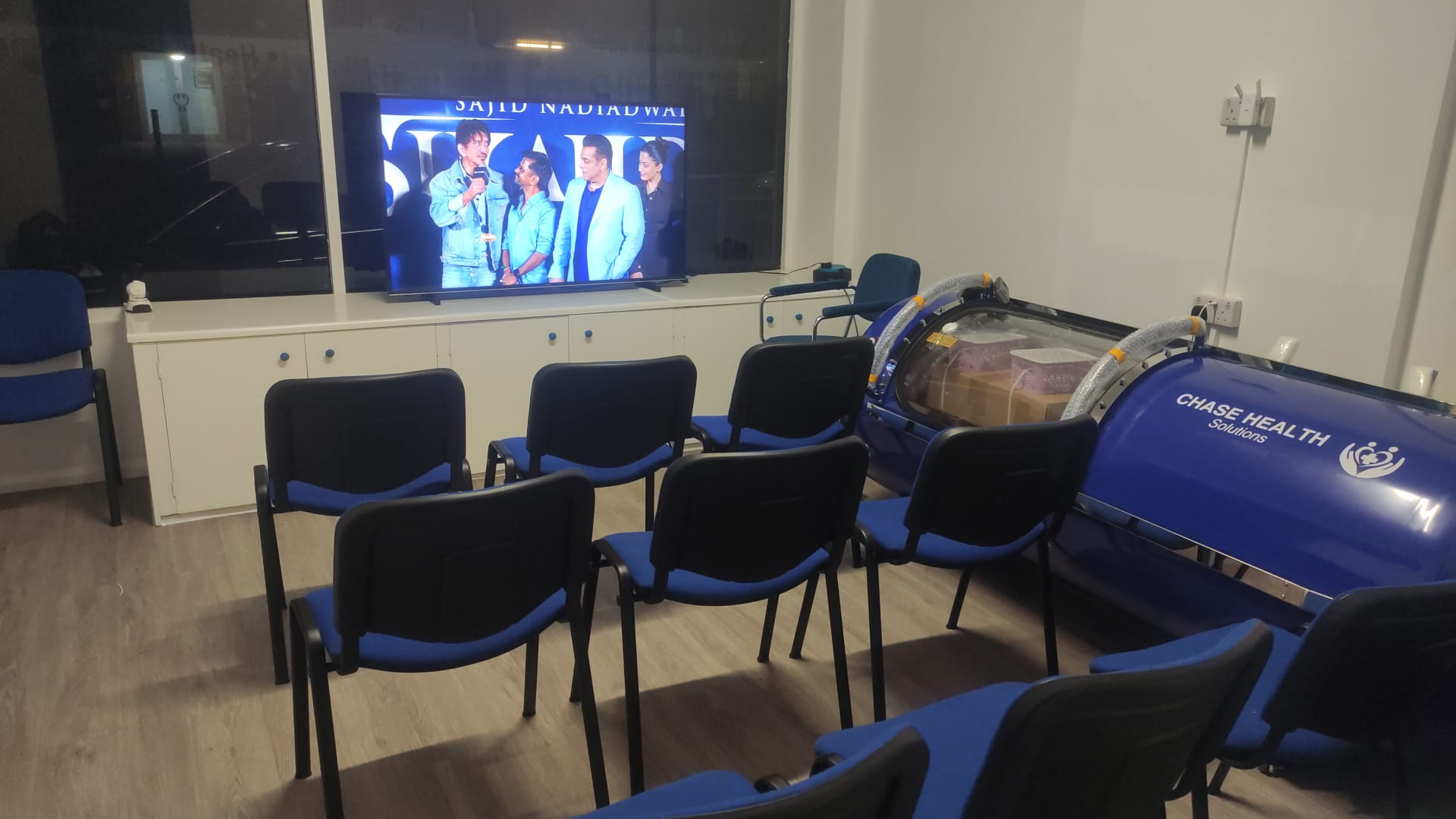
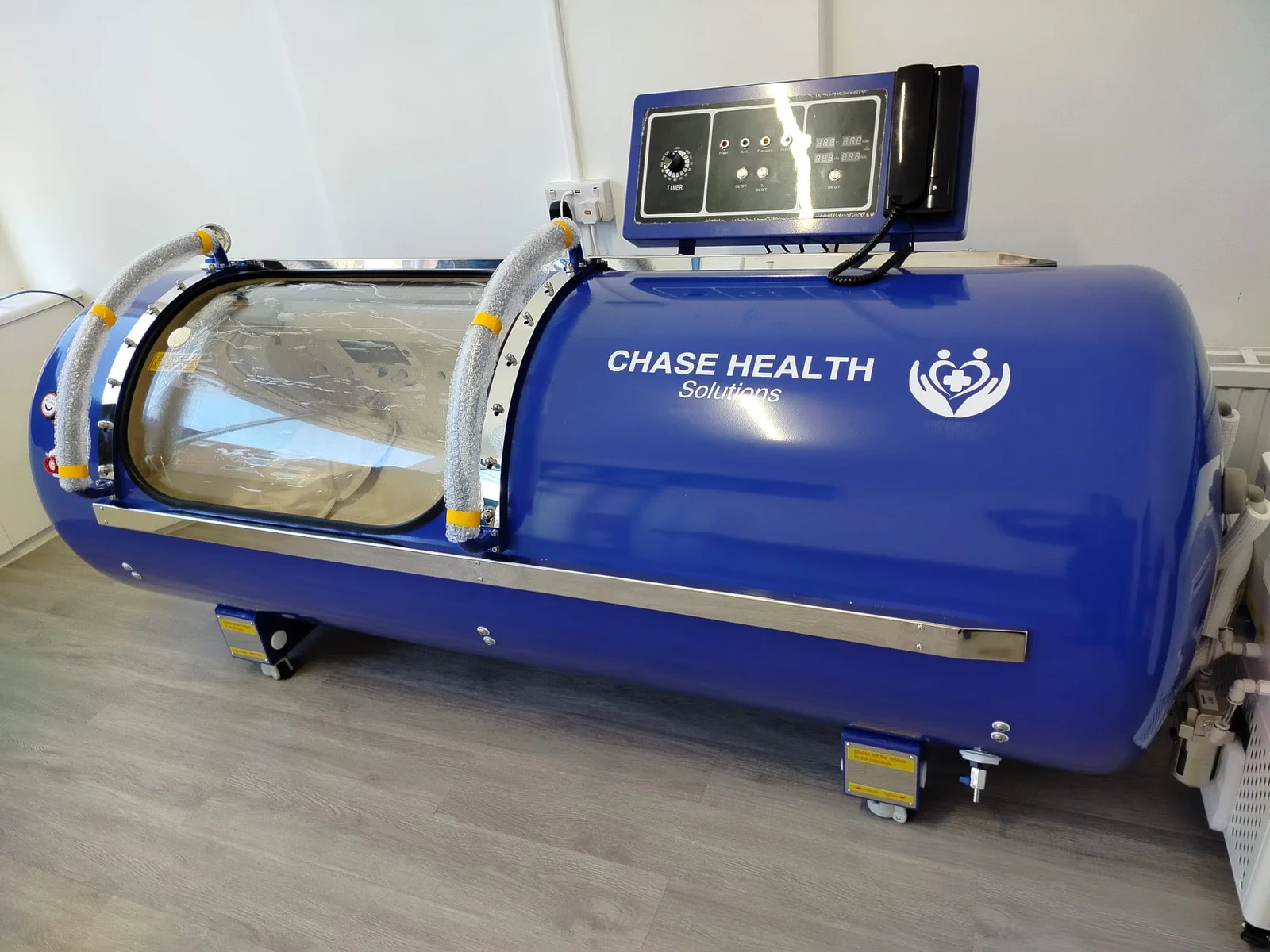
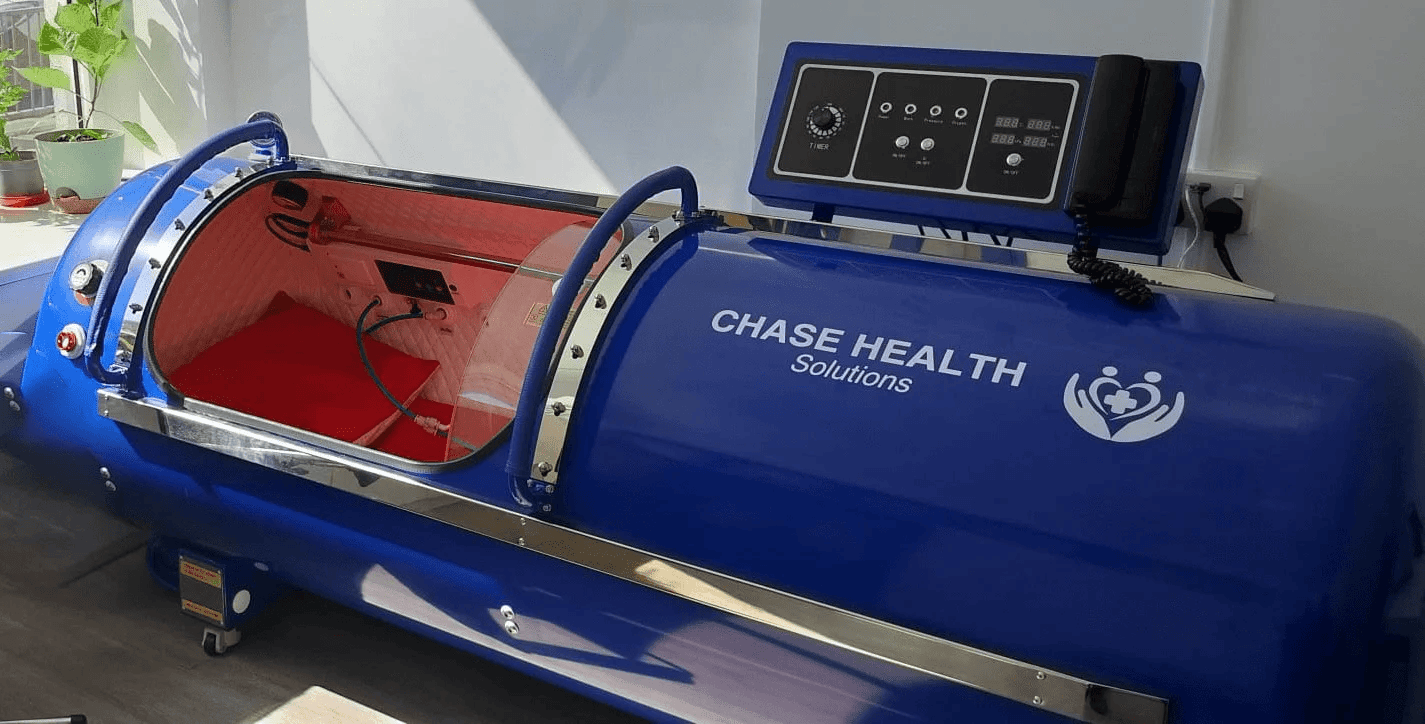
At Chase Health, we offer hyperbaric oxygen therapy (HBOT) to support recovery for individuals managing fatigue, fibromyalgia, PTSD, cognitive strain, or performance-related stress. Our lie-down oxygen chamber offers a calm, comfortable space to reset, where people turn up in pyjamas, not suits.
Situated just 120 metres from Wimbledon Chase Station, we serve the local communities of Raynes Park, South Wimbledon, New Malden, and across SW20.
Benefits of Our Wimbledon-Based HBOT Service
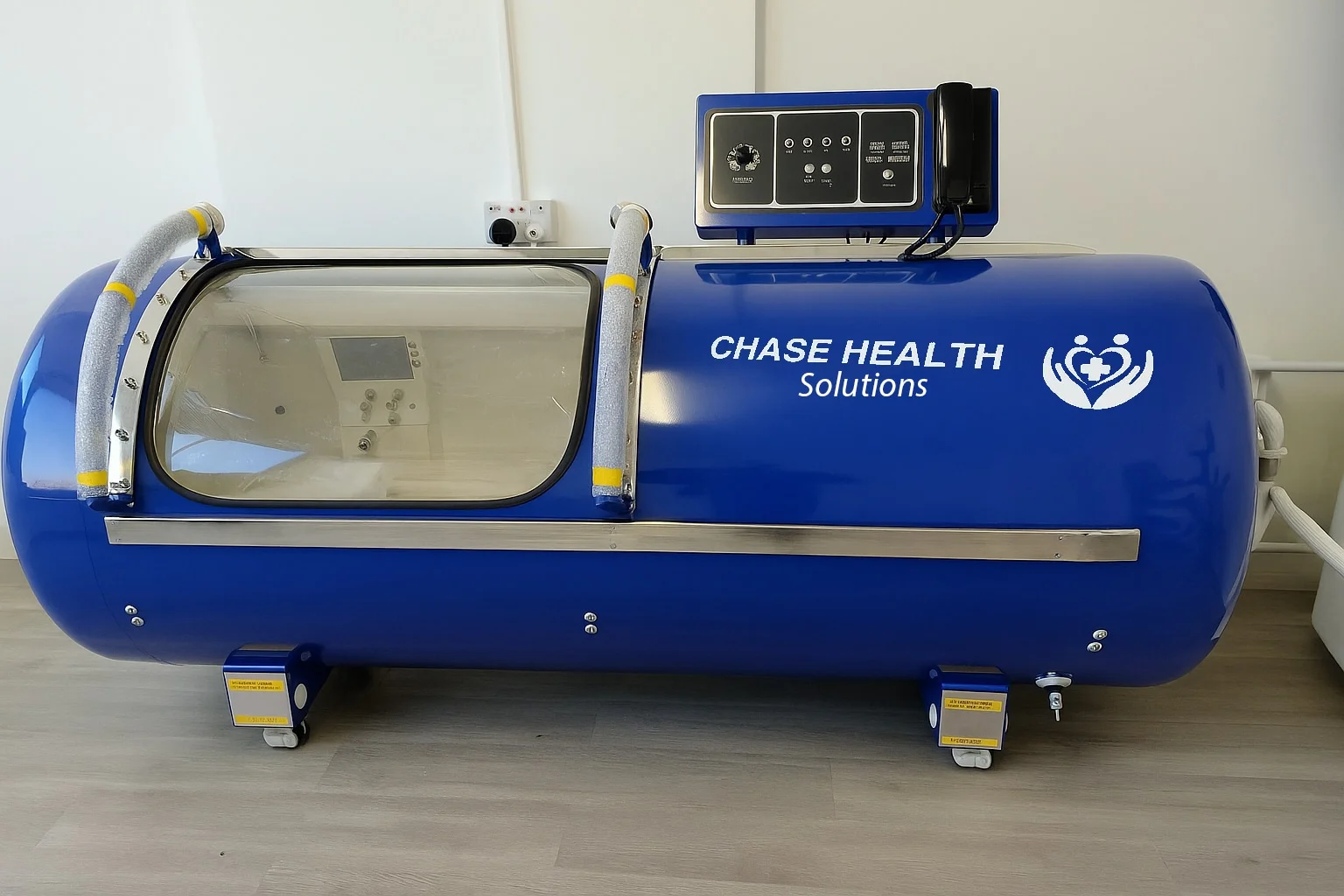
- Solid professional-grade hyperbaric chamber, used by London Fire Brigade
- Located on the ground floor with free on-site parking
- Trusted by members of the London Fire Brigade and Metropolitan Police
- Welcoming environment — come in joggers, not a lab coat
- Transparent pricing: £75 per session, £549 for 10, £999 for 20
- Relaxed, welcoming environment — joggers and T-shirts welcome
- Owner-led service informed by lived experience
What Is Hyperbaric Oxygen Therapy?
Hyperbaric oxygen therapy involves lying inside a pressurised chamber, like a hot air balloon, where the pressure is increased to enhance how your lungs absorb oxygen.
Imagine breathing like a lion — not just deeper, but more powerfully. In normal air, even a top athlete absorbs about 1.2 litres of oxygen per breath. Inside our pressurised chamber, the oxygen concentration increases and the air is denser, allowing your lungs to absorb significantly more. This means your bloodstream can carry up to five times more oxygen, reaching areas that may have been under-supplied for years.
The effect? A sense of calm, a more relaxed voice, greater mental clarity, reduced pain, and often a little buzz when you emerge. That extra oxygen reaches areas of the body that have been under-supplied — helping wick away inflammation, supporting organ function, and accelerating tissue repair.
You may choose to wear a nasal cannula to ensure concentrated oxygen is directed through your nose, which enhances absorption by stimulating nitric oxide production. Breathing out through your mouth helps reduce CO₂ more efficiently and minimises strain on the body.
Research shows HBOT can stimulate neuroplasticity, reduce inflammation, support angiogenesis, and promote recovery across a range of conditions.
Conditions That May Benefit from HBOT
Hyperbaric oxygen therapy is not new. It’s been a recognised medical treatment for over a century — used before antibiotics even existed. Today, HBOT is still used in NHS settings for antibiotic-resistant infections, diabetic wounds, and more.
While we do not offer medical treatment at Chase Health, the same oxygen therapy we provide is supported by clinical research across the following areas:
Post-Traumatic Stress Disorder (PTSD)
Clinical trials have demonstrated improvements in brain function, reduced flashbacks, and emotional regulation. HBOT has been used successfully as a standalone intervention for PTSD.
Fibromyalgia & Chronic Fatigue
Multiple meta-analyses confirm significant reductions in pain sensitivity and fatigue symptoms following HBOT, with improvements in mobility, mood, and sleep.
- Cao et al., 2023. MDPI. Link
- Chen et al., 2023. BMJ Open. Link
Sports Recovery & Performance
Elite athletes use HBOT to enhance tissue oxygenation, reduce lactic acid, and accelerate recovery. Many report improved stamina, reduced soreness, and better focus.
Inflammation & Immune Support
HBOT has been shown to reduce systemic inflammation markers and support immune modulation, particularly post-viral illness or surgery.
Zhang et al., 2021. Brain and Behavior. Link
Brain Injury & Cognitive Fatigue
Whether post-concussion or post-stroke, studies confirm HBOT’s effect in restoring cognitive function, memory, and neural connectivity.
- Boussi-Gross et al., 2020. Link
- Hadanny et al., 2023. Alzheimer’s meta-analysis. Link
- Xu et al., 2022. Cognitive enhancement in ageing adults. Link
Important Disclaimer
The hyperbaric oxygen therapy offered at Chase Health is for wellness and recovery support, not for medical diagnosis or treatment.
We do not claim to cure or treat any condition and recommend speaking with your GP if you have a health condition or are pregnant.
Why Local Clients Choose Chase Health
- Founder-led service grounded in real-world results
- Honest pricing with no unnecessary upselling
- Flexible hours and online booking
- Fully accessible ground-floor premises
- Equipment maintained by a professional engineer
- Focused only on HBOT — not a clinic, not a franchise
- Lie-down chamber for better circulation, comfort, and spinal alignment
- No clinic hustle — just a calm place to recharge, read, or nap
Frequently Asked Questions
What does a session feel like?
It feels like flying — a gentle pressurisation (like on an aeroplane), followed by calm. Many people nap, meditate, or read. Some notice a more relaxed voice and sharper mental clarity by the end.
Is it safe?
Yes. Our chamber is made from stainless steel and is ventilated, air-conditioned, and monitored. It is sealed during use due to the pressurised environment, much like being on a fast-moving bike — you simply stop (depressurise) before exiting.
Do I need a referral?
No. You can book directly. If you’re under medical care, check with your GP.
How many sessions will I need?
People respond differently. Some fast responders feel the effects after the first session. In double-blinded clinical trials for serious conditions, 30 sessions of 90 minutes at 2.0 ATA over 6–10 weeks showed improvement in PTSD, trauma, crush injuries, and more.
Because HBOT can help multiple systems at once, you might start treatment for one issue and experience unexpected benefits — clearer skin, less frizzy hair, improved thinking.
Book Your Session in Wimbledon Chase
Ready to see what HBOT can do for you? Whether you’re recovering from stress, managing fatigue, or curious about performance recovery, we’re here to help you breathe deeper and feel better.
📅 Book Your Session Online
📞 Call: +44 20 8103 9786
💬 Whatsapp
📍 Visit Us: 411 Kingston Road, Wimbledon Chase, SW20 8JS
Academic References
- Doenyas‑Barak, K., Catalogna, M., Kutz, I., Levi, G., Hadanny, A., Tal, S., et al. (2022). Hyperbaric oxygen therapy improves symptoms, brain microstructure and functionality in veterans with treatment‑resistant post‑traumatic stress disorder: A prospective, randomised, controlled trial. PLOS ONE 17(2): e0264161. Available at: PLOS
- Bin‑Alamer, O., Abou‑Al‑Shaar, H., Efrati, S., Hadanny, A., Beckman, R. L., Elamir, M., Sussman, E., Maroon, J. C. (2024). Hyperbaric oxygen therapy as a neuromodulatory technique: a review of the recent evidence. Frontiers in Neurology. Available at: Frontiers
- Cao, C., Li, Q., Zhang, X., Varrassi, G., Wang, H. (2023). Effectiveness of hyperbaric oxygen for fibromyalgia: A meta‑analysis of randomised controlled trials. Clinics and Practice 13(3): 583‑595. Available at: MDPI
- Chen, X., You, J., Ma, H., Zhou, M., Huang, C., et al. (2023). Efficacy and safety of hyperbaric oxygen therapy for fibromyalgia: A systematic review and meta‑analysis. BMJ Open. Available at: BMJ Open+1